
Growing Your Own Vegetables: A Comprehensive Guide
- Sarah Cooper

- Aug 18, 2025
- 4 min read
Growing your own vegetables can be a rewarding experience. Not only does it provide fresh produce, but it also offers a sense of accomplishment. Imagine stepping into your backyard and picking ripe tomatoes or crisp lettuce for your salad. This guide will walk you through everything you need to know to start your vegetable garden, from planning to harvesting.
Why Grow Your Own Vegetables?
Growing your own vegetables has many benefits. Here are a few reasons to consider:
Freshness: Homegrown vegetables taste better and are fresher than store-bought ones.
Health: You control what goes into your garden, allowing you to grow organic produce without pesticides.
Cost-Effective: Growing your own food can save you money in the long run.
Satisfaction: There is a unique joy in nurturing plants and watching them grow.
Planning Your Garden
Before you start planting, it’s essential to plan your garden. Here are some steps to consider:
Choose the Right Location
Select a spot that gets plenty of sunlight, ideally 6 to 8 hours a day. The area should also have good drainage to prevent waterlogging.
Decide What to Grow
Consider your family’s preferences and what grows well in your climate. Some easy vegetables for beginners include:
Tomatoes: They thrive in warm weather and are versatile in cooking.
Lettuce: Quick to grow and perfect for salads.
Carrots: They can be sown directly into the soil and require minimal care.
Create a Garden Layout
Plan how much space each plant will need. Use a grid or raised beds to maximize your area.
Preparing the Soil
Healthy soil is the foundation of a successful garden. Here’s how to prepare it:
Test Your Soil
You can buy a soil test kit to check pH levels and nutrient content. Most vegetables prefer a pH between 6.0 and 7.0.
Amend the Soil
Add organic matter like compost or well-rotted manure to improve soil structure and fertility. This will help retain moisture and provide nutrients.
Tilling
Loosen the soil with a garden fork or tiller. This helps aerate the soil and makes it easier for roots to grow.
Planting Your Vegetables
Once your soil is ready, it’s time to plant. Here are some tips:
Timing
Check the last frost date in your area. Plant seeds or seedlings after this date for the best results.
Planting Depth
Follow the instructions on seed packets for planting depth. Generally, smaller seeds should be planted shallowly, while larger seeds can go deeper.
Spacing
Give each plant enough space to grow. Crowding can lead to poor air circulation and disease.
Caring for Your Garden
After planting, your garden will need regular care. Here are some essential tasks:
Watering
Water your plants deeply but infrequently. This encourages deep root growth. Early morning is the best time to water.
Weeding
Keep your garden free of weeds, which compete for nutrients and water. Hand-pulling is effective for small gardens.
Fertilizing
Use organic fertilizers to provide nutrients throughout the growing season. Follow the recommended application rates.
Pest and Disease Management
Pests and diseases can threaten your garden. Here are some strategies to manage them:
Identify Problems Early
Regularly check your plants for signs of pests or disease. Early detection can prevent larger issues.
Natural Remedies
Consider using natural pest control methods, such as introducing beneficial insects like ladybugs or using neem oil.
Crop Rotation
Rotate your crops each year to prevent soil-borne diseases and pests from establishing.
Harvesting Your Vegetables
Knowing when to harvest is crucial for the best flavor and texture. Here are some tips:
Signs of Ripeness
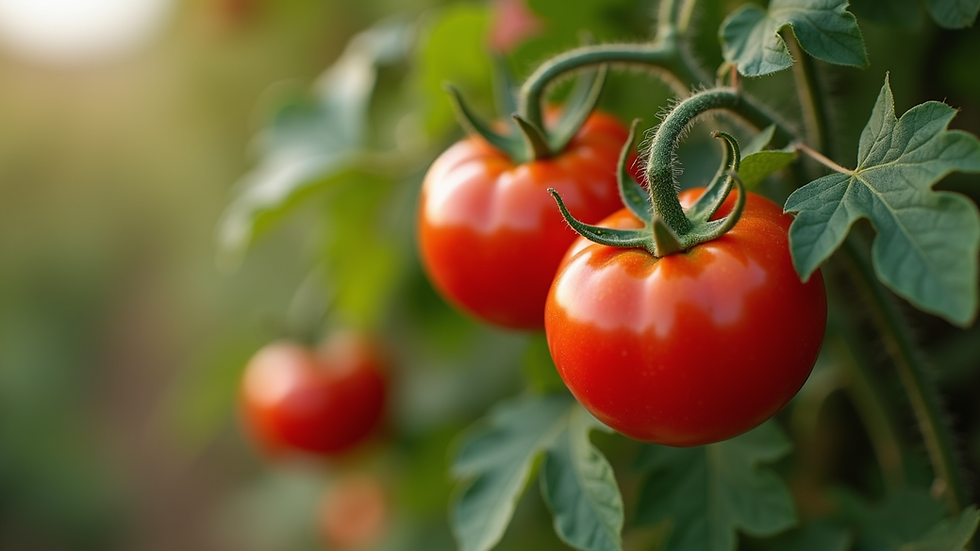
Each vegetable has its signs of ripeness. For example, tomatoes should be fully colored and slightly soft to the touch.
Harvesting Techniques
Use sharp scissors or garden shears to avoid damaging the plant. Harvest in the morning for the best flavor.
Storage
Store your vegetables properly to extend their freshness. Most leafy greens do well in the refrigerator, while root vegetables can be kept in a cool, dark place.
Enjoying Your Homegrown Produce
Once you have harvested your vegetables, it’s time to enjoy them. Here are some ideas:
Fresh Salads
Combine your fresh lettuce, tomatoes, and cucumbers for a delicious salad.
Cooking
Use your vegetables in stir-fries, soups, or roasted dishes. Fresh produce enhances the flavour of any meal.
Preserving
Consider canning or freezing excess produce to enjoy your harvest throughout the year.
Tips for Success
Here are some additional tips to help you succeed in your vegetable gardening journey:
Start Small: If you are new to gardening, begin with a small plot or a few containers.
Keep a Journal: Document your planting dates, growth progress, and any issues you encounter. This will help you improve in future seasons.
Join a Community: Connect with local gardening groups or online forums for support and advice.
The Joy of Gardening
Growing your own vegetables is not just about the food. It’s about the experience. The joy of watching your plants grow, the satisfaction of harvesting, and the pleasure of sharing your bounty with family and friends are all part of the journey.
Gardening can also be a great way to relieve stress. Spending time outdoors and connecting with nature can improve your mood and overall well-being.
Final Thoughts
Starting your vegetable garden can be a fulfilling adventure. With careful planning, preparation, and care, you can enjoy fresh produce right from your backyard. Remember to be patient and enjoy the process. Each season brings new challenges and rewards, making gardening a lifelong journey.
So grab your gardening tools, choose your favourite vegetables, and start planting. Your homegrown garden awaits!
Comments