
The Ups and Downs of Running an Honesty Farm Stand: Lessons Learned.
- Sarah Cooper

- Sep 2, 2025
- 5 min read
Hello! If you’ve ever dreamed of turning your garden bounty into a little side hustle, you might have considered setting up an honesty stand—those charming roadside setups where passers by grab what they want and leave payment in a box. It’s a concept rooted in trust and community spirit, often seen in rural areas where people sell fresh produce, eggs, or homemade goods without constant supervision. A few years back, I decided to give it a go right where we used to live in the beautiful mid Devon countryside. We had a thriving little garden with chickens, ducks, and quails laying more eggs than we could eat, plus homemade jams and chutneys bubbling away in the kitchen, greeting cards crafted from my own artwork, and a variety of plants and seedlings ready for new homes. It sounded idyllic: share our surplus, make a bit of extra cash, and foster that neighbourly vibe. But as with most things in life, it came with its share of highs and lows. Let me walk you through our experience, sprinkle in some insights from others who’ve tried it, and answer those burning questions about whether it’s worth the effort.
The Sunny Side: Why We Loved It (At First)
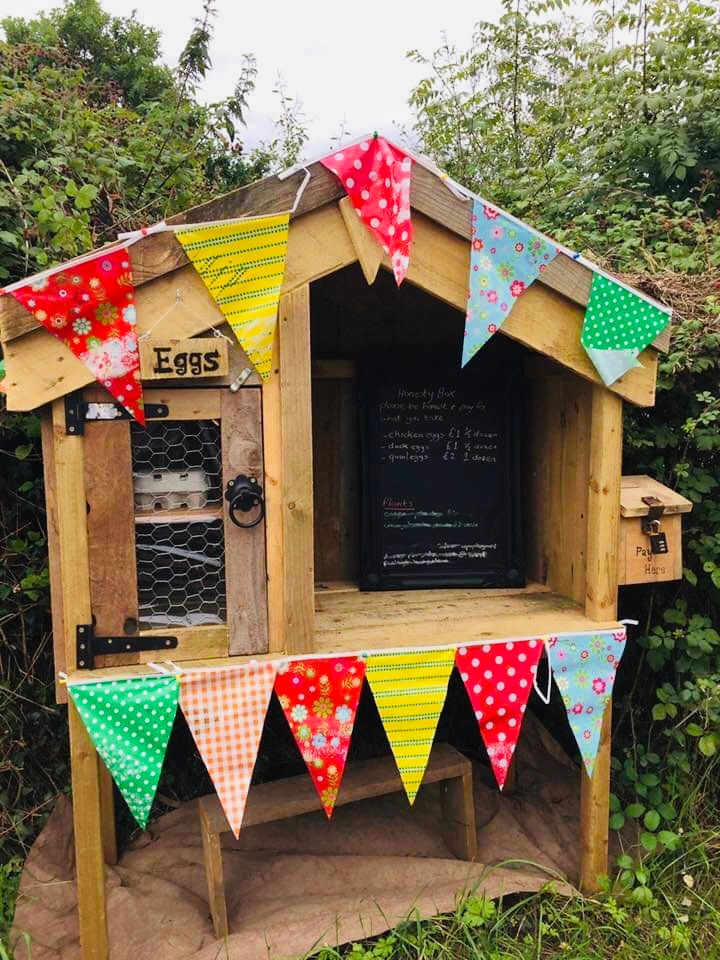
Starting our honesty stand was a thrill. We built a simple wooden booth at the end of our driveway—it was very cute; sturdy shelves for the eggs (priced at £1 for half a dozen chicken eggs, £1 for duck, and £2 for a dozen quail), jars of strawberry jam and spicy tomato chutney (£3 each), stacks of handmade cards (£2), and trays of hardy seedlings like tomatoes and herbs (£1 per pot). We added a locked cash box with a slot for notes and coins, clear signage with prices, and even a little note saying, “Thank you for your honesty—supporting local farms!”
The ups were immediate and heartwarming. Most people were wonderfully honest, dropping in the exact amount or even a bit extra with a kind note. We’d check the box in the evenings and find it brimming with coins and the occasional fiver. It felt like a direct connection to our community—people from nearby villages would stop by on their walks or drives, grabbing fresh eggs for breakfast or a jar of jam as a gift. We sold out of eggs almost daily during peak seasons, and the cards were a hit for birthdays and thank-yous. Financially, it added a nice supplement to our income without much overhead; no need for staffing or fancy setups, just restocking what we already had. Plus, it was a great way to reduce waste—extra eggs and produce didn’t go to compost but straight to appreciative tables. Sharing our art and plants brought a creative joy, too, like extending a piece of our home to others. In quieter rural spots like ours, it reinforced that sense of trust we associate with country living.
I’ve researched similar positive stories from others around the globe. For instance, many homesteaders report that honour system stands bring in steady cash with minimal effort, sometimes outperforming farmers’ markets because they’re always “open.” One farm in Washington state shared how their self-serve stand for veggies and honey built strong community ties, with regulars leaving tips or even trading goods. In Tasmania, roadside stalls are a staple, fostering local resilience and neighbourly connections despite occasional hiccups. And in Scotland, honesty boxes are common for surplus produce, emphasising that sense of communal trust.
The Stormy Side: When Trust Gets Tested
Unfortunately, the downs hit harder than we anticipated. While the majority paid fairly, a few people only part-paid—say, leaving £1 for a £3 jar of chutney. Others slipped in outdated coins or notes that were no longer legal tender, which meant a trip to the bank to sort out unusable money. The real gut-punch came when someone swiped our entire selection of handmade cards one evening; we’d put hours into creating them, and poof—they were gone without a penny left behind. It wasn’t just the financial loss (around £50 worth), but the betrayal in a place like mid Devon, where you’d expect everyone to embody that honest countryside ethos. We hoped for the best, but after a few months of mounting frustrations, we decided to pack it in. The stand sat empty, a reminder that not everyone plays by the rules.
This isn’t unique to us. Theft is a common complaint— from eggs stolen in Conwy, Wales, forcing a young boy to close his family’s box, to outright robberies of cash tins in various spots. One homesteader on Reddit shared how their stand was raided just hours after setup, and forums are full of stories where people underpay or take without paying at all. In Ojai, California, a long-running stand shut down after 12 years due to maintenance and theft issues. Even in trusting communities, a small percentage of dishonest folks can sour the experience.
What Are My Experiences with Honesty Boxes? (And Others’)
From my time running one, it’s a mix of joy and disappointment. The rewards are intangible—building community, sharing fresh goods—but the risks are real. Echoing what I’ve read, many find them worthwhile in low-traffic, tight-knit areas where theft is rare. For example, a UK forum user noted that as long as you don’t overstock and empty the box regularly, losses are minimal. Others, like a firewood seller, reported stopping theft entirely with simple upgrades. But in busier spots, the “dishonesty box” effect kicks in, as one Guardian article put it.
Tips to Deter Thieves
If you’re tempted to try (or retry), here are some practical ways to minimise risks, drawn from our lessons and community advice:
• Install cameras or signs: Even dummy cameras can deter thieves. We wish we’d added a visible CCTV sign from the start—it signals you’re watching without high costs.
• Use secure payment options: Switch to a locked box with a narrow slot, or add digital payments like QR codes for Venmo or PayPal to reduce cash temptations.
• Limit stock and check often: Don’t overload the stand; restock small amounts and empty the box multiple times a day to limit potential losses.
• Clear signage and psychology tricks: Post friendly reminders like “Eyes are watching—please pay honestly!” Studies show images of eyes can boost honesty by 30-40%. Also, list prices prominently to shame would-be underpayers.
• Location matters: Place it in view of your home or busy roads where thieves feel exposed.
Is It Really Worth It? Pros and Cons
Pros: Low setup costs, flexible hours, community building, and potential for steady income from surplus goods. It can even outperform staffed markets in some cases.
Cons: Theft and underpayment erode profits and morale; it requires ongoing monitoring, and in high-theft areas, it’s not sustainable. Weather, maintenance, and the emotional toll add up.
Overall, it’s worth it if your area has low crime and you’re okay with some losses—think of it as a hobby with perks. But if theft becomes frequent, alternatives like farmers’ markets or online sales might be better.
Should We Do It Again?
For us? Maybe, but with upgrades. If we restart, it’d be with cameras, digital payments, and less valuable items to start. If your heart’s in sharing your goods and you implement deterrents, go for it—the ups can outweigh the downs in the right spot. What about you? Have you run an honesty stand? Share your stories in the comments—I’d love to hear!
Thanks for reading. Here’s to honest people and fresh eggs!
Sarah, Cornish Cottage Homestead
Note: This blog is based on personal experience and general research; always adapt to your local laws and safety.


Comments